


Is Your Website at Risk? The WordPress Drama You (Probably) Haven't Heard
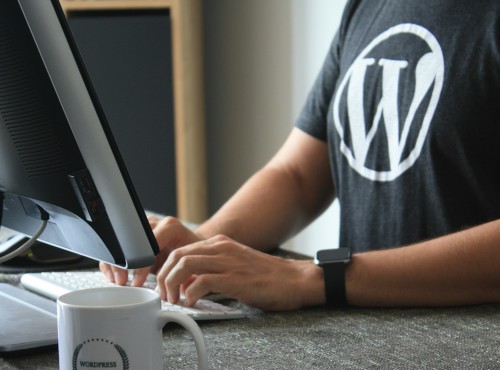 If you run an eye care practice, your website matters. For optometrists, ophthalmologists, and optical dispensers, your website is a critical tool for attracting patients, handling bookings, selling products and delivering information about eye health.
Chances are, that website runs on WordPress. And while you’ve been busy running your practice, a major dispute in the WordPress world has been unfolding.
If you rely on WordPress, here’s what you need to know.
WordPress: Why It’s a Popular Choice for Eye Care Websites
WordPress is licensed under the GPL (General Public License), allowing anyone to use, modify, and distribute its code freely. Unlike closed platforms, it prevents vendor lock-in, giving users full control over their sites.
WordPress powers over 40% of all websites, making it the dominant CMS (Content Management System) worldwide.
Why?
- Flexibility – From online appointment booking to e-commerce integrations, WordPress can do it all. At the heart of the software is an extensible "plugin" architecture where you can add new features, just like connecting Lego bricks, with the click of a button.
- User Friendly – Compared to some alternatives, WordPress is relatively easy to manage, even for non-techies. There are even some popular page builder plugins like Divi and Elementor which make "no-code" designing a breeze.
- Ownership & Control – You’re not locked into a platform that dictates pricing, features, or who owns your data. You can pack your bags and migrate from one hosting company to another in a matter of hours.
What's The Problem?
Even though WordPress is open-source, Automattic, (a company owned by WordPress founder Matt Mullenweg) and the WordPress Foundation control key project infrastructure.
The battle between Automattic and WP Engine, a multi-million dollar hosting company, started with a demand for royalties and escalated into lawsuits, platform restrictions, and major cutbacks to WordPress development.
Here’s the quick version:
- September 19, 2024: Automattic, led by Matt Mullenweg, presented WP Engine with a term sheet proposing an 8% royalty on gross revenue for using the WordPress trademark.
- September 23, 2024: Automattic's legal team sent a cease-and-desist letter to WP Engine, formalizing the demand for the 8% royalty, which would amount to over $32 million annually.
- September 25, 2024: Automattic blocked WP Engine's access to WordPress.org resources, including plugin and theme updates, amid the ongoing dispute.
- October 2, 2024: WP Engine filed a lawsuit against Automattic and Mullenweg, alleging libel, slander, and attempted extortion.
- December 10, 2024: A California District Court judge ordered Automattic to restore WP Engine's access, ruling that the blockage caused irreparable harm to WP Engine's business.
- January 10, 2025 – Automattic slashed its WordPress open-source contributions from 4,000 hours to just 45 hours per week. CEO Matt Mullenweg blamed the WP Engine lawsuit, accusing the other company of not contributing enough to the community.
So while all this might sound like billionaires arguing over who has a bigger yacht, the question for Australian and New Zealand eye care practices is: What does this mean for my website?
If Automattic dramatically scales back their commitment to supporting the communal, open source project, security and technical compatibility become uncertain for businesses relying on WordPress. It could even cause a splintering of the WordPress ecosystem, creating version incompatibilities and adding to business costs.
Although that sounds concerning, you shouldn’t panic just yet.
Is WordPress "Too Big to Fail"?
Probably, yes.
In 2021, a study estimated that the global WordPress ecosystem was worth $596.7 billion, which if it were national GDP, would make it bigger than Sweden.
WordPress is critical to the world-wide digital economy, with major companies, governments, and healthcare providers relying on it.
If things really went south, major stakeholders—Google, AWS, big hosting companies, even Silicon Valley investors—would most likely step in to stabilise the whole WordPress project.
So unless you see clear technical issues affecting your website, there’s no reason to jump ship.
- The dispute isn't going to disrupt your website overnight and WordPress remains a great platform choice for small business due to its flexibility, extensibility and ease of use.
- There is still a roadmap of future WordPress update releases until at least November 2025.
- Switching to another platform like WIX, SquareSpace or Shopify has its own set of concerns, and is a non-trivial technical undertaking.
What’s Next?
For now, business as usual. But it’s worth keeping an eye on the outcome of the lawsuit and any changes to WordPress hosting services in Australia and New Zealand.
If you use WP Engine, you may want to monitor their stance—but for now, your website is safe and sound.
So, keep focusing on helping your patients see clearly—while the tech giants fight it out in the background.
AUTHOR BIO
 Paul Sallaway is the founder, owner and web strategist behind Optics Digital Marketing. His agency specialises in assisting business growth for eye care practices through conversion optimised websites and data driven marketing. For a free consultation, visit: opticsdigital.net.