


Retinal Imaging Shows Promise for Early Alzheimer's Detection Following Breakthrough Bacterial Link
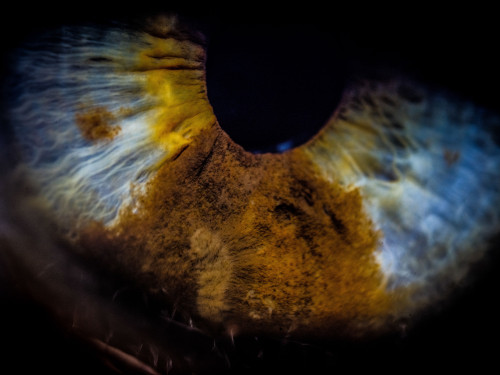 A study from Cedars-Sinai has revealed that a common respiratory bacterium may significantly contribute to Alzheimer's disease progression and the retina could provide the key to early detection.
Published in Nature Communications, the research demonstrates for the first time that Chlamydia pneumoniae, the bacterium responsible for pneumonia and sinus infections, can infiltrate retinal tissue, where it triggers inflammatory responses linked to neurodegeneration and cognitive decline.
The findings have significant implications for eyecare professionals, suggesting retinal imaging could serve as a non-invasive diagnostic tool for identifying patients at risk of Alzheimer's disease.
Eye-Brain Connection Reveals Disease Pathology
"The eye is a surrogate for the brain, and this study shows that retinal bacterial infection and chronic inflammation can reflect brain pathology and predict disease status," said lead author Professor Maya Koronyo-Hamaoui, professor of Neurosurgery, Neurology, and Biomedical Sciences at Cedars-Sinai Health Sciences University.
Researchers examined retinal tissue from 104 individuals across the cognitive spectrum, from normal cognition through mild cognitive impairment to Alzheimer's disease, using advanced imaging, genetic testing and protein analysis.
The results were striking: significantly higher levels of C. pneumoniae were detected in both the retinas and brains of Alzheimer's patients compared to those with normal cognition. Moreover, bacterial burden correlated directly with disease severity, the higher the bacterial levels, the more severe the brain changes and cognitive decline.
Genetic Risk Factor Identified
The study also uncovered a genetic link: elevated bacterial levels were more common in individuals carrying the APOE4 gene variant, a known risk factor for Alzheimer's disease.
Laboratory studies using human neurons and mouse models confirmed that C. pneumoniae infection accelerates disease processes, increasing inflammation, nerve cell death and cognitive decline. The infection also triggered production of amyloid-beta, the hallmark protein that accumulates in Alzheimer's patients' brains.
Treatment and Prevention Opportunities
The research opens new avenues for intervention. "This discovery raises the possibility of targeting the infection-inflammation axis to treat Alzheimer's," said co-corresponding author Dr Timothy Crother, research professor at Cedars-Sinai.
Potential therapeutic strategies include early antibiotic treatment and inflammation-limiting therapies, though further research will be needed to establish clinical protocols.
Implications for Practice
For eyecare professionals, the study reinforces the critical role of comprehensive retinal examination and imaging in detecting systemic disease. As retinal imaging technology continues to advance, practitioners may soon play a frontline role in Alzheimer's risk assessment and early intervention.
(Image by Getty)